
Locate the strongest area
Note whether the smell centers on one fixture, a room, an exterior route, or the whole property.
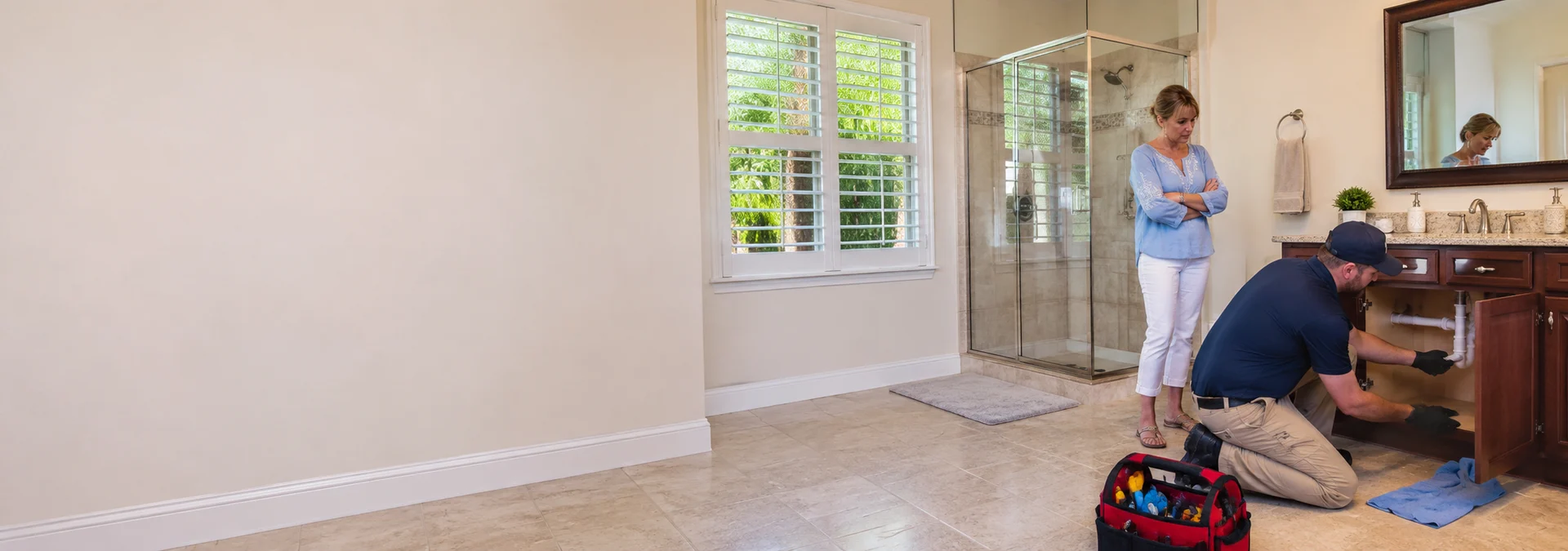
A lasting sewage smell should not be covered up with fragrance. The source may be simple, such as a dry trap, or may require checking seals, vents, drains, and the sewer line.
Start with the room or outside area where the smell is strongest and note any fixtures that are rarely used. If sewage is visible or drains are backing up, describe that separately from odor alone.
A camera can help with a suspected drain defect, while other checks may be needed for a hidden opening or vent issue. Ask what each test can establish and which parts of the system have actually been checked.
Not necessarily. A dry trap, failed seal, vent issue or opening in the drainage system can cause odor. Track where and when it appears; investigation should identify the source before excavation is proposed.
A sewer gas smell or sewage odor can enter through a dry fixture trap, a failed toilet seal, an open cleanout, damaged piping, or a venting problem. Odor that appears outdoors may come from a cleanout, a leaking lateral, or another nearby source. The strongest location and timing help narrow the search.
Start with safe, visible checks such as rarely used drains and accessible cleanout caps. Persistent or strong odor, especially with slow drainage or wastewater, deserves professional evaluation rather than repeated fragrance or chemical treatment.
Note whether the smell centers on one fixture, a room, an exterior route, or the whole property.
Look at rarely used drains and visible cleanout caps without opening or disassembling unsafe piping.
Slow drainage, gurgling, damp soil, or backups can point to a wider sewer problem.
A provider may inspect seals, drains, vents, and accessible piping or use specialized testing to isolate the source.
Water can evaporate from an infrequently used drain and open a path for sewer gas.
A toilet seal, drain plug, or cleanout cap may no longer contain gas. A dry trap or fixture seal can be a simpler explanation, so check individual drains and fixtures before assuming the buried sewer is damaged. Persistent odor or several affected fixtures warrants a broader evaluation.
Damaged drainage piping or poor venting can release odor in or around the property.
It may help when a dry trap is the cause. If the odor returns, the trap may be leaking, the drain may be rarely used, or another opening or defect may be present.
Rain can change drainage conditions, groundwater, and airflow around buried or exterior systems. The timing is useful evidence but does not identify the source by itself.
Yes. A damaged or poorly sealed section can release gas before wastewater becomes visible, although dry traps and fixture seals are often simpler possibilities to check.
The process may include fixture and trap checks, visual inspection, camera work, vent evaluation, or controlled smoke or other specialized testing when appropriate.
Bubbling sounds may signal trapped air from a blockage, vent issue, or main-line restriction.
Explore →SEWER PROBLEMA low floor drain may be the first place wastewater appears when the main line cannot flow.
Explore →SEWER PROBLEMAn unusually lush or soft strip of lawn may signal underground leakage.
Explore →See the line from the inside and pinpoint roots, cracks, offsets, and sewer blockages.
Explore →SERVICETargeted repair options for cracked, separated, leaking, or damaged sewer lines.
Explore →SERVICEAdd accessible entry points for future inspection, clearing, and maintenance.
Explore →